"The same gentle person comes each day now. Mum is calmer than she's been in two years — and I finally sleep."
Daughter, Toronto
IllustrativeWe use the cookies this site needs. With your permission we also use Google Analytics to count visits anonymously. No advertising or tracking cookies. Change this any time from the footer. Read our Privacy Policy.
Assisted living, memory care, companionship and long-term continuity — coordinated by one Recovery Manager who knows your parent as a person, not a case. Ageing with dignity, and someone who is genuinely there.
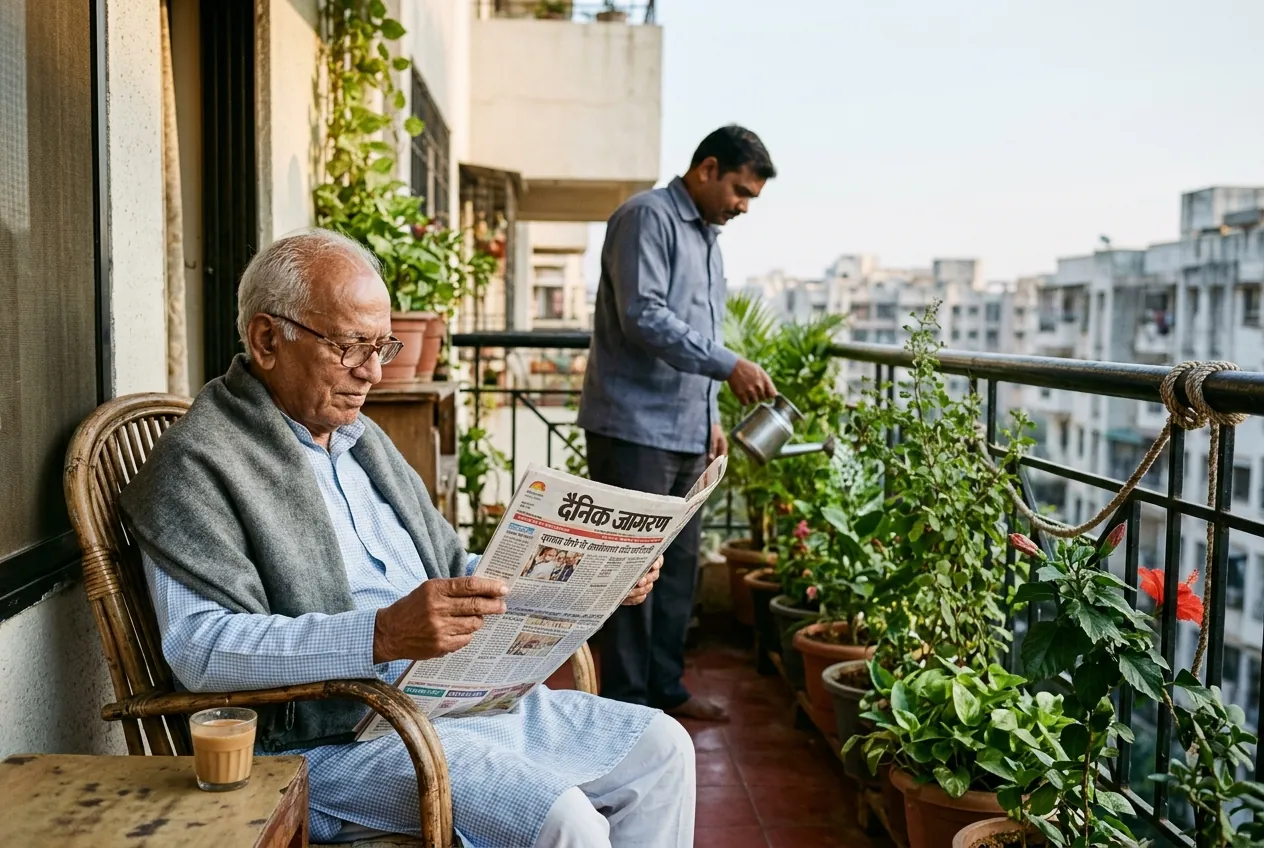

Dignity isn't a vital sign. But it's the thing we protect first.
Anyone can log a blood pressure. Fewer people notice that your father wants to be asked before he's helped, or that your mother lights up at a particular song. That noticing is the care.
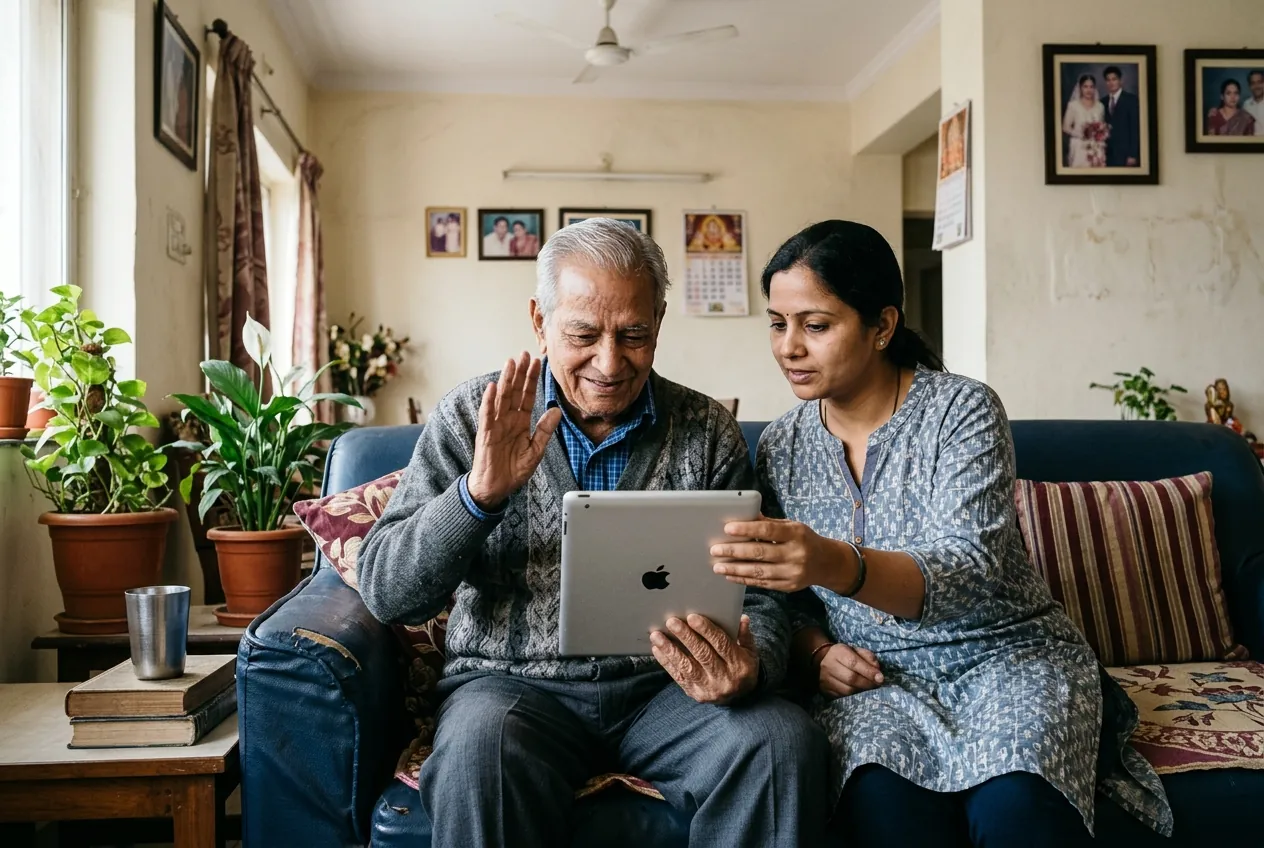
What a phone call can't see
The step that got slower
A little less steady on the stairs, a hand on the wall that wasn't there last month. We see it before it's a fall.
The name that took longer
A word searched for, a story repeated. Regular wellness check-ins log how they seemed that day — never a diagnosis, but a real change gets flagged to the family early, not left for a crisis.
The plate left half-eaten
Appetite fading, weight quietly dropping. Meals cooked, eaten with company — not left to a tired evening.
The quieter voice
Withdrawing, less light in the day. Loneliness is a clinical risk in elders; we treat company as part of the care, not a bonus.
The kinds of care
Assisted daily living
Help with the daily rhythm — bathing, dressing, eating, moving — offered in a way that protects dignity and independence, never replaces it. The goal is always: as much of their own life as they can keep.
Budget clarity
Companion care
per month, indicative
Assisted living
per month, indicative
Memory & long-term
per month, indicative
Final pricing depends on the level of support, home vs residence, and whether memory or live-in care is needed. An itemised quote is shared in writing before anything begins.
Illustrative examples, not real quotes
The quotes below are illustrative — composed from common patterns in family conversations. Verified case stories will be published with consent as our families opt in.
"The same gentle person comes each day now. Mum is calmer than she's been in two years — and I finally sleep."
Daughter, Toronto
Illustrative"It's not the medicines I remember. It's that someone sat and listened to his old stories. That's what dignity looks like."
Son, Pune
Illustrative"I see his actual week now — the walk, the lunch, the doctor visit — in photos, in my timezone. Guilt turned into peace."
Daughter, London
IllustrativeHome safety
Tap a room to see what to check. Tick items off as you go; your attendant or physiotherapist can walk through it with you on the first home visit.
Wet floors and low seats make this the most common place for a fall.
General home-safety guidance, not medical advice. After a fall, dizziness or a new difficulty walking, speak to a doctor first.
One page with every room, to tick off around the house. Items you have already ticked here print ticked.
Questions families ask first
No — we coordinate care at home or in a partner residence, whichever serves your parent better. We're not a facility ourselves; we're the people who hold it all together around them.
A calm first conversation — no obligation. We'll understand your parent's life and build the care around it.
Discuss your care needs
Tell us what support you need. The team will review suitability, availability and costs with you before you decide.
A coordinated need — not a single service
Tell us the situation and we coordinate everything it needs — the difference between a directory and a healthcare system.
You tell us the situation, in your words.
We make sense of the whole situation — not one box.
We match the right people — identity- and background-checked.
Care happens — and we track that it did.
It doesn't stop at one visit.
There's a record of what happened you can trust.
What we'll understand about your situation
Why families trust this
What a coordinated senior care journey looks like
Part of one care network